
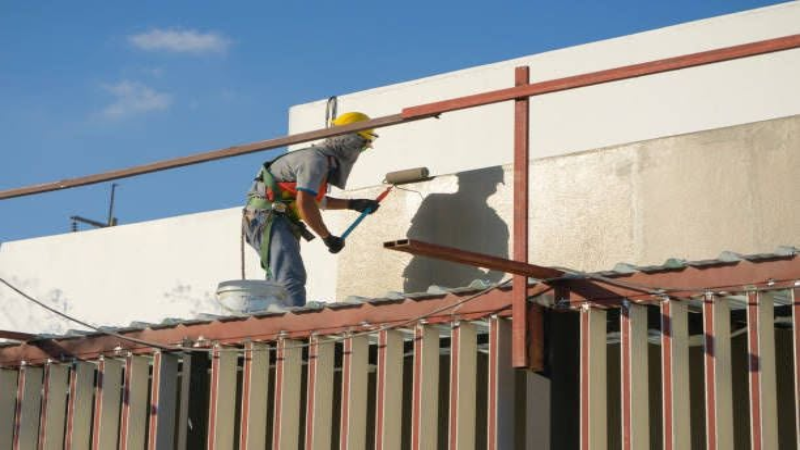
Arizona homeowners know that sunshine is part of everyday life, but constant ultraviolet (UV) exposure can gradually affect the appearance and longevity of a home’s exterior. Understanding how sunlight impacts paint pigments helps homeowners make informed decisions about maintenance, color selection, and future exterior improvement projects.
For homes in Laveen, AZ, where clear skies and extended periods of sunlight are common, UV exposure is one of the leading environmental factors that influences how exterior finishes age over time.
What Are Paint Pigments?
Paint pigments are finely ground particles that give coatings their color and opacity. Beyond creating the desired appearance, pigments also contribute to how well an exterior finish resists weather, sunlight, and environmental wear.
Different pigments react differently to prolonged UV exposure. Some retain their color for many years, while others gradually fade as sunlight breaks down their chemical structure.
The durability of a home’s exterior depends on both the pigment formulation and the quality of the coating used.
How Does UV Radiation Affect Exterior Surfaces?
Ultraviolet radiation carries enough energy to slowly break down the binders and pigments within exterior coatings. As this process continues, homeowners may begin noticing gradual changes in appearance.
Common signs of UV-related wear include:
- Fading color
- Dull finishes
- Uneven appearance
- Chalking
- Reduced surface protection
These changes often occur gradually, making them difficult to notice until they become widespread.
Why Do Some Colors Fade Faster Than Others?
Not all colors respond to sunlight the same way.
Bright, vibrant shades often contain pigments that absorb more UV energy, which may cause them to lose their original appearance more quickly than neutral tones.
Generally:
- Deep reds may fade over time.
- Bright blues can become less vibrant.
- Dark colors absorb more heat.
- Earth tones often maintain their appearance longer.
- Light neutral colors typically reflect more sunlight.
This does not mean homeowners should avoid bold colors. Instead, understanding their maintenance requirements helps set realistic expectations.
Which Areas of a Home Receive the Most UV Exposure?
Sunlight does not affect every side of a home equally.
In Arizona, south-facing and west-facing walls usually receive the greatest amount of direct sunlight throughout the day.
These surfaces often experience:
- Faster fading
- Higher surface temperatures
- Greater expansion and contraction
- Earlier signs of weathering
Other architectural features, including garage doors, trim, fascia boards, shutters, and entry doors, may also experience accelerated wear depending on their orientation.
Regular inspections help identify these changes before more noticeable deterioration develops.
Does Heat Make UV Damage Worse?
Yes. Heat and ultraviolet radiation often work together to accelerate the aging process.
When exterior surfaces become extremely hot, repeated expansion and contraction place additional stress on protective coatings. Combined with UV exposure, this cycle can gradually reduce flexibility and surface performance.
Arizona’s desert climate makes this especially important because many exterior surfaces experience prolonged heat throughout the summer.
Proper maintenance and periodic inspections help homeowners identify developing issues before they become more extensive.
Can Surface Preparation Influence Color Longevity?
Preparation plays a major role in long-term durability.
Before any exterior project begins, surfaces should be properly cleaned and inspected to remove dirt, loose material, and contaminants that may interfere with adhesion.
Proper preparation also includes identifying:
- Surface cracks
- Moisture damage
- Loose caulking
- Failing coatings
Damaged stucco or wood
Even high-quality products may not perform as expected if they are applied over unstable surfaces.
How Can Homeowners Reduce UV-Related Wear?
Although sunlight cannot be eliminated, several maintenance practices can help slow visible deterioration.
Helpful recommendations include:
- Inspect exterior surfaces annually.
- Wash accumulated dust and debris.
- Repair damaged caulking promptly.
- Address small cracks before they expand.
- Monitor high-exposure walls more frequently.
- Trim landscaping that traps moisture against exterior walls.
These proactive measures help preserve both appearance and long-term protection.
Why Is Product Selection Important?
Different exterior coatings are formulated with varying levels of UV resistance.
Modern products are designed to improve:
- Color retention
- Adhesion
- Weather resistance
- Surface flexibility
- Overall durability
Choosing products suited for Arizona’s climate helps maximize performance under demanding environmental conditions.
Professional House Painters often evaluate both environmental exposure and building materials before recommending products for a specific home.
When Should Homeowners Consider Recoating?
The age of an exterior coating is only one factor to consider.
Homeowners should also look for visible signs such as:
- Significant fading
- Chalking
- Cracking
- Flaking
- Uneven color
- Surface deterioration
Addressing these issues early may help reduce the need for more extensive repairs later.
Routine evaluations allow homeowners to plan maintenance before protective finishes become compromised.
Protect Your Home’s Exterior Before Sun Damage Becomes Permanent
Arizona’s intense sunshine makes routine exterior maintenance an important part of preserving a home’s appearance and durability. Learning how UV exposure affects pigments, surface performance, and long-term color retention allows homeowners to make informed decisions before visible deterioration becomes widespread. For additional guidance, explore home painting resources that explain preparation, product selection, and maintenance strategies for lasting exterior results.