
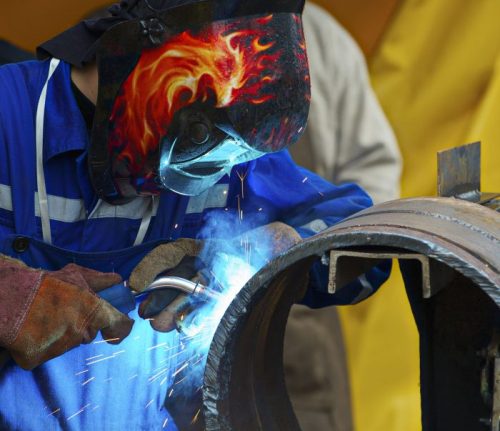
In today’s fast-paced manufacturing landscape, increasing operational efficiency is more important than ever. Across various industries, businesses are seeking advanced methods to streamline fabrication and assembly processes. Many are turning to Production Welding as a key search term when seeking scalable, reliable welding services tailored to large-scale output needs.
The Role of Production Welding in Modern Manufacturing
Production welding refers to specialized techniques used in repetitive, high-volume manufacturing environments. Unlike small-batch or custom welding, this approach emphasizes consistency, speed, and scalability. U.S. manufacturers, from automotive plants to heavy equipment producers, rely on production welding to ensure that every component meets strict quality standards while keeping pace with demanding production schedules.
Key benefits of production welding solutions include:
- Increased Throughput: Automated and semi-automated systems can weld multiple joints rapidly, reducing cycle times and boosting overall output.
- Consistency and Quality: Advanced equipment ensures uniform welds, minimizing defects and rework.
- Cost Efficiency: By streamlining labor and material usage, production welding can lower per-unit costs, making mass production more economically viable.
- Adaptability: Modern welding solutions are customizable, enabling quick adjustments to accommodate diverse product designs and materials.
Essential Technologies and Best Practices
To maximize productivity, many U.S. manufacturers invest in state-of-the-art technologies such as robotic welding cells, precision fixturing, and real-time quality monitoring systems. These innovations not only improve speed and accuracy but also enhance workplace safety by reducing manual handling of hazardous materials.
When selecting a production welding partner, consider the following best practices:
- Assess Capabilities: Ensure the provider can handle your required volume and materials.
- Verify Quality Controls: Look for certifications and documented quality assurance processes.
- Evaluate Flexibility: Choose solutions that can adapt to evolving production needs or design changes.
By leveraging these strategies, American businesses can maintain a competitive edge in both domestic and global markets.
For organizations seeking a reliable partner to enhance their manufacturing efficiency, Micro Weld, Inc offers trusted production welding solutions, ensuring consistent quality and increased productivity for businesses throughout the United States.