
Key point:
• Most state inspection failures involve brake wear, lighting faults, emissions issues, or worn tires.
• Catching these problems early through routine maintenance reduces the chance of a failed inspection.
• A qualified shop can diagnose and repair issues before they turn into bigger safety or cost concerns.
A failed inspection usually comes down to a short list of recurring issues: worn brake components, burned-out bulbs, cracked windshields, or tires below the legal tread depth. Knowing what inspectors look for ahead of time gives drivers a clear path to passing on the first try.
Every state that requires a state inspection is checking for the same core safety concerns, even though the exact checklist varies by jurisdiction. Brakes, suspension, steering, lights, glass, and tires make up the bulk of what gets flagged. Understanding these categories helps drivers budget time and money before heading to an inspection station rather than being surprised by a rejection sticker.
Why Vehicles Fail Inspection Most Often
Inspectors are trained to catch problems that affect how safely a car stops, steers, and signals its intentions to other drivers. The issues below account for the majority of failed inspections nationwide.
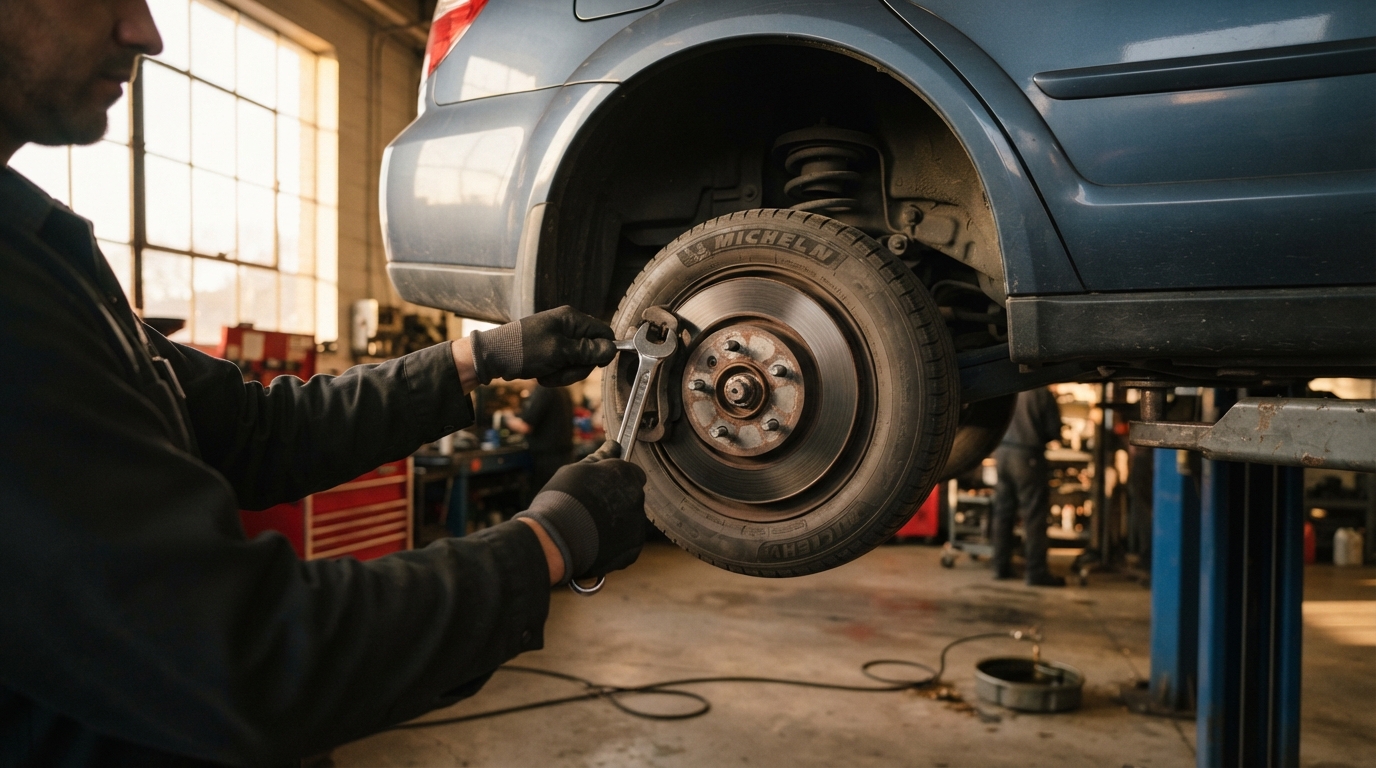
• Worn brake pads or rotors that no longer meet minimum thickness standards
• Burned-out headlights, taillights, brake lights, or turn signals
• Tires with tread depth below the legal minimum or visible sidewall damage
• Windshield cracks that sit directly in the driver’s line of sight
• Exhaust leaks or missing emissions components on applicable vehicles
Each of these is relatively inexpensive to fix when caught early, but they can escalate into costlier repairs if ignored. A worn brake pad left too long, for example, can damage the rotor, turning a simple pad swap into a full brake job.
Emissions and Exhaust System Problems
Emissions-related failures are common in states that test tailpipe output or require onboard diagnostic checks. A faulty oxygen sensor, a loose gas cap, or a check-engine light can all trigger a failed result even when the car runs fine day to day.
According to the U.S. Environmental Protection Agency’s vehicle emissions inspection guidance, inspection and maintenance programs are designed to identify vehicles whose emissions control systems are malfunctioning or have been tampered with. This matters because a check-engine light rarely points to just one problem. It can stem from something as simple as a loose fuel cap or as involved as a failing catalytic converter, so a proper diagnostic scan is the only reliable way to know which repair is needed.
Brake, Suspension, and Steering Red Flags
Braking and steering components are inspected closely because they directly affect a driver’s ability to avoid a collision. Common findings include:
|
Component |
Typical Failure Sign |
Repair Urgency |
|
Brake pads/rotors |
Thin pad material, scored rotor surface |
High |
|
Suspension bushings |
Excessive play, visible cracking |
Medium |
|
Steering linkage |
Looseness, uneven tire wear pattern |
High |
|
Shock absorbers |
Fluid leakage, bouncing after a bump |
Medium |
A vehicle that pulls to one side under braking or feels loose in the steering wheel is often showing early warning signs long before an inspector notices anything. Addressing these symptoms as they appear, rather than waiting for the next inspection cycle, keeps repair costs more predictable.
Practical Steps Before Your Next Inspection
A short pre-inspection routine at home can catch many of the same issues an inspector will flag.
1. Check all exterior lights, including brake lights and turn signals, with a second person watching.
2. Measure tire tread depth using a simple gauge or the coin test.
3. Inspect the windshield for cracks or chips in the driver’s sightline.
4. Note any dashboard warning lights and have them scanned before the appointment.
5. Listen for unusual grinding or squealing when braking at low speed.
Taking these steps a week or two before a scheduled inspection leaves enough time to order parts or schedule repairs without rushing.
Frequently Asked Questions
What happens if my vehicle fails a state inspection? Most states issue a rejection notice with a grace period to complete repairs and return for a re-inspection, though the exact timeframe depends on local regulations.
How often do vehicles need to be inspected? Inspection frequency varies by state and vehicle age, with many requiring annual or biennial checks.
Can minor issues like a burned-out bulb cause a failure? Yes. A single non-functioning light is one of the most common and least expensive reasons a vehicle fails inspection.
Is a check-engine light always a failing condition? In states with emissions testing, an illuminated check-engine light typically results in an automatic failure regardless of how the car drives.
Staying ahead of brake wear, lighting faults, tire condition, and emissions warnings makes passing inspection far more predictable. London Bridge Auto Repair performs diagnostic and repair work aimed at addressing these common failure points before they become bigger problems. For scheduling or more information on available services, Visit Website.