
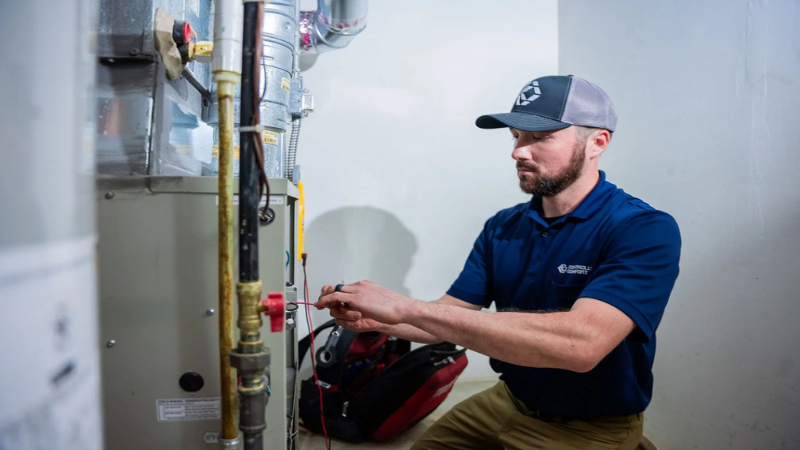
When temperatures drop in Nebraska, a reliable furnace is essential for comfort and safety. Many homeowners only realize the importance of their heating system when it suddenly stops working in the middle of a cold snap. Searching is a common online action during these urgent situations. Understanding what to expect and how to respond can make a significant difference in restoring warmth quickly and preventing further complications. For homeowners, being prepared and informed is the first step to managing furnace emergencies effectively. If you need immediate help, emergency furnace repair in Omaha, NE, services are available to address urgent heating issues.
Common Reasons for Emergency Furnace Repairs
Furnaces can fail without warning for several reasons. Recognizing common issues can help you act promptly:
• Lack of Maintenance: Skipping annual inspections often leads to unexpected breakdowns.
• Thermostat Malfunctions: Faulty thermostats can prevent your furnace from turning on or operating efficiently.
• Ignition or Pilot Control Problems: Modern furnaces rely on electronic ignitions that can fail, while older models may suffer from pilot light issues.
• Mechanical Wear and Tear: Over time, components like belts, bearings, and motors can wear out, causing the system to stop working.
• Clogged Filters: Dirty filters restrict airflow, which can cause the furnace to overheat and shut down.
Understanding these issues allows homeowners to recognize signs of trouble early and seek professional assistance before a complete breakdown occurs.
What to Do When Your Furnace Fails
A sudden furnace failure can be stressful, especially during cold weather. Here are the steps you should take if your heating system stops working:
1. Check the Thermostat: Ensure it is set to “heat” and the temperature is higher than the current room temperature.
2. Inspect Circuit Breakers: A tripped breaker can cut power to your furnace.
3. Examine the Air Filter: Replace it if it appears dirty or clogged.
4. Look for Error Codes: Some modern furnaces display error codes that can help diagnose the problem.
5. Call for Professional Help: If basic troubleshooting doesn’t resolve the issue, contact an emergency repair service promptly.
Taking these steps can help restore heat faster and minimize the inconvenience of a cold home.
Choosing the Right Emergency Furnace Repair Service
Selecting a reliable professional is crucial during an emergency. Consider the following when choosing a service provider:
• 24/7 Availability: Furnace issues rarely happen at convenient times. Look for services that offer around-the-clock response.
• Licensed and Insured Technicians: Qualified professionals ensure safe and effective repairs.
• Transparent Pricing: Emergency repairs can be costly, so clear estimates and upfront pricing are important.
• Local Experience: Technicians familiar with Omaha’s climate and common furnace models can often diagnose and fix issues faster.
A reputable service provider will not only restore heat but also offer advice to prevent future emergencies.
Preventing Future Furnace Emergencies
Routine maintenance is the best way to avoid unexpected breakdowns. Homeowners should:
• Schedule annual inspections and tune-ups.
• Replace air filters regularly.
• Address minor issues promptly before they escalate.
A proactive approach extends the life of your furnace and ensures your home stays comfortable throughout the winter. Being informed about emergency furnace repair needs in Omaha helps homeowners respond quickly and confidently when unexpected issues arise. Recognizing common problems, knowing what steps to take during a breakdown, and choosing a qualified repair service are essential for maintaining warmth and safety. Regular maintenance is key to reducing the risk of future emergencies. If your furnace fails, don’t wait—contact a trusted emergency repair professional to restore comfort to your home.
Stay prepared and ensure your family’s comfort—schedule a furnace inspection today and keep emergency numbers handy for peace of mind all winter long.