
• Calluses, bunions, and heel pain each need different care approaches, from padding and footwear changes to orthotics or professional treatment.
• Persistent pain, cracking skin, or a worsening bunion are signs that at-home care is no longer enough.
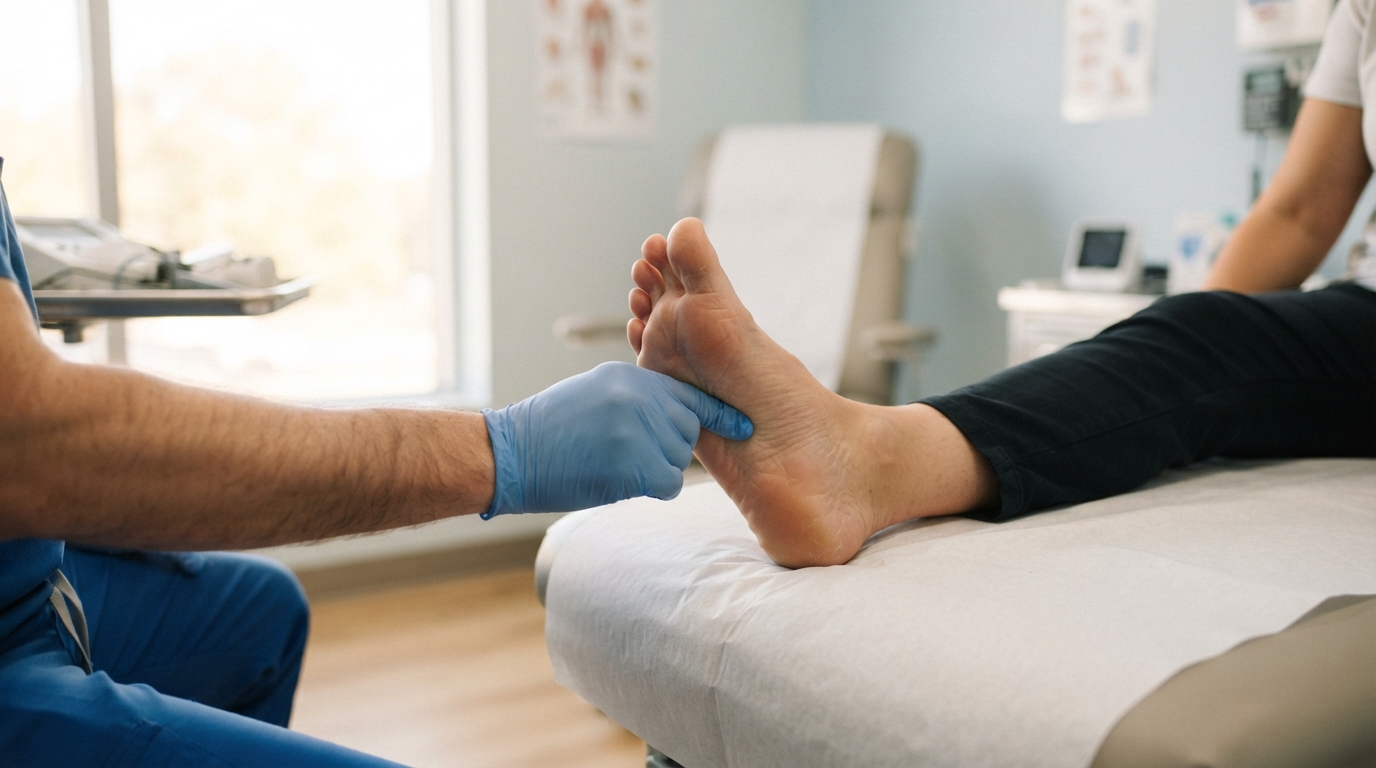
• A licensed podiatry provider can diagnose the underlying cause and recommend treatment suited to the specific foot condition.
Foot pain rarely has one single cause, which is why comparing symptoms side by side helps residents figure out whether a callus, bunion, or heel issue needs home care or a professional evaluation. Understanding the differences between these three common conditions is the first step toward choosing the right treatment path.
Anyone searching for Foot Care Fulshear TX is often dealing with one of these overlapping but distinct problems, and getting an accurate read on symptoms matters because treating the wrong condition can delay relief. A callus that is mistaken for a bunion, for example, might get padded when it actually needs orthotic support.
Comparing Calluses, Bunions, and Heel Pain
Each condition has its own triggers, warning signs, and typical treatment path. The table below breaks down the basics so you can identify which one matches your symptoms.
|
Condition |
Common Cause |
Typical Symptoms |
First-Line Care |
|
Calluses |
Repeated friction or pressure, often from footwear |
Thickened, hardened skin, usually on soles or toes |
Moisturizing, pumice use, properly fitted shoes |
|
Bunions |
Toe joint misalignment, often progressive |
Bony bump at the big toe base, redness, discomfort |
Wider shoes, toe spacers, padding |
|
Heel Pain |
Overuse, plantar fascia strain, or structural issues |
Sharp or aching pain, worse in the morning or after rest |
Stretching, supportive shoes, rest |
Managing Calluses at Home
Calluses form as the skin’s defense against repeated rubbing, and most mild cases respond well to simple home care.
• Soak feet in warm water for several minutes before gently filing with a pumice stone.
• Apply a moisturizer containing urea or salicylic acid to soften thickened skin.
• Switch to shoes with a wider toe box to reduce friction points.
• Avoid cutting calluses with razors or sharp tools, which can lead to infection.
According to the
American Podiatric Medical Association, calluses and corns develop from pressure or friction and can often be managed with proper footwear and routine skin care. If a callus keeps returning despite these steps, or if it becomes painful to walk on, that persistence usually signals an underlying structural issue rather than a simple skin problem.
Recognizing and Addressing Bunion Symptoms
Bunions develop gradually, so early changes in shoe fit are often the first noticeable sign. The bony prominence at the base of the big toe can worsen over time if left unaddressed.
• Choose shoes with a roomy, flexible toe box instead of narrow or pointed styles.
• Use toe spacers or bunion pads to reduce rubbing against footwear.
• Apply ice after periods of prolonged standing or walking to calm inflammation.
• Monitor for increasing redness, swelling, or joint stiffness.
Mild bunions can often be managed with footwear adjustments alone, but a bunion that continues to shift the toe’s alignment or causes daily discomfort typically needs a professional assessment to determine whether padding, orthotics, or another approach fits the stage of progression.
Easing Heel Pain Day to Day
Heel pain, often linked to plantar fasciitis or repetitive strain, tends to respond to a combination of stretching and supportive footwear. Consistency with these habits matters more than any single remedy.
• Stretch the calf and plantar fascia before getting out of bed each morning.
• Wear shoes with firm arch support rather than flat or unsupportive soles.
• Rest from high-impact activity when pain flares, rather than pushing through it.
• Consider over-the-counter heel cups or orthotic inserts for added cushioning.
Heel pain that persists for more than a few weeks, or that limits normal walking, usually warrants an evaluation to rule out structural causes that home stretching cannot resolve on its own.
When to Seek Professional Foot Care
Home remedies work well for mild, early-stage symptoms, but certain signs point to a need for professional attention:
1. Pain that interferes with walking, standing, or daily routines.
2. Skin changes such as cracking, bleeding, or signs of infection around a callus.
3. A bunion that continues to enlarge or shift toe alignment.
4. Heel pain lasting beyond two to three weeks despite rest and stretching.
A podiatry provider can examine foot structure, gait, and footwear habits to pinpoint the actual cause rather than just the surface symptom. Fulshear Foot and Ankle lists services addressing these exact concerns, including evaluation and treatment options for calluses, bunions, and heel pain, as part of its general foot and ankle care offerings.
Frequently Asked Questions
Can calluses turn into something more serious if ignored? Thickened calluses can crack or become painful under continued pressure, and in some cases skin breakdown can create an entry point for infection, so persistent or worsening calluses are worth having checked.
Do bunions always require surgery? Not necessarily. Many bunions are managed with footwear changes, padding, or orthotics, and surgical options are typically reserved for cases where conservative care no longer controls pain or progression.
Is morning heel pain always plantar fasciitis? Sharp heel pain that is worse with the first steps of the day is a common plantar fasciitis symptom, but heel discomfort can stem from other causes, so a proper evaluation helps confirm the source.
How soon should heel or bunion pain be evaluated? If pain lasts more than two to three weeks, limits daily activity, or keeps returning despite home care, scheduling an evaluation sooner rather than later helps prevent the issue from progressing further.
Managing calluses, bunions, and heel pain starts with recognizing which condition you are actually dealing with, then applying the care steps that match it. When symptoms persist past basic home treatment, a visit to Fulshear Foot and Ankle can help clarify the cause and outline next steps suited to your specific foot health needs.