
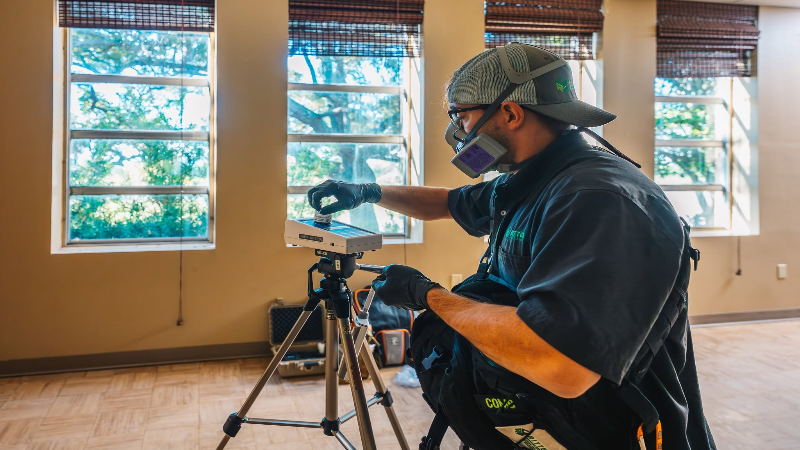
Ensuring a safe and healthy workplace is a top priority for any organization, especially in industries where hazardous materials may be present. Although asbestos use has significantly declined over the years, remnants of this dangerous mineral can still be found in older buildings, insulation, flooring, and various construction materials. For those seeking to understand the importance of air quality in such environments, searching for Asbestos Air Monitoring in Louisiana is a crucial step. This process plays a vital role in protecting workers, residents, and visitors from the hidden dangers of airborne asbestos fibers.
Understanding Asbestos and Its Risks
Asbestos is a naturally occurring mineral once widely used for its heat-resistant and insulating properties. However, when asbestos-containing materials are disturbed—during renovation, demolition, or even minor repairs—microscopic fibers can become airborne. Inhalation of these fibers is associated with severe health conditions, including asbestosis, lung cancer, and mesothelioma. The risks are especially pronounced in older buildings, making proactive monitoring indispensable.
Why Air Monitoring Matters in Louisiana
Louisiana, with its humid climate and aging infrastructure, faces unique challenges regarding asbestos exposure. Many commercial and residential structures built before the 1980s may contain asbestos materials. When these materials deteriorate or are disturbed, they pose a significant threat to indoor air quality. Air monitoring is the most effective way to detect the presence of asbestos fibers in the environment, ensuring that exposure levels remain within safe limits.
Key Reasons for Asbestos Air Monitoring
• Regulatory Compliance: Federal and state regulations require air monitoring during asbestos abatement projects. Adhering to these rules not only avoids legal penalties but also demonstrates a commitment to workplace safety.
• Worker Protection: Employees involved in renovation, demolition, or maintenance face the highest risk. Regular air monitoring helps identify hazardous conditions promptly, allowing for immediate corrective measures.
• Public Health: In multi-use buildings, such as schools, hospitals, or office complexes, monitoring ensures that everyone—workers, tenants, and visitors—is protected from accidental exposure.
• Risk Assessment: Continuous monitoring provides data that can be used for risk assessment and the development of effective asbestos management plans.
The Process of Asbestos Air Monitoring
The procedure typically involves several key steps:
1. Site Assessment: Experts evaluate the building to identify potential asbestos sources.
2. Sampling: Air samples are collected from various locations using specialized equipment.
3. Laboratory Analysis: Samples are analyzed using microscopy techniques to detect and quantify asbestos fibers.
4. Reporting: Detailed reports outline the findings, including recommendations for remediation or ongoing monitoring.
This systematic approach ensures that any presence of airborne asbestos is identified and addressed before it can pose a health risk.
Ensuring Ongoing Safety
Regular asbestos air monitoring should not be viewed as a one-time event. Ongoing assessments are essential, especially during and after construction activities or in aging buildings. By integrating monitoring into routine maintenance schedules, organizations can proactively address potential hazards and maintain a safe environment for everyone.
In summary, asbestos air monitoring is an essential component of maintaining safe work environments, particularly in Louisiana’s older buildings. By prioritizing air quality assessments and adhering to regulatory guidelines, organizations can protect employees, residents, and the public from the serious health risks associated with asbestos exposure. Investing in proper monitoring not only fulfills legal obligations but also demonstrates a genuine commitment to safety and well-being, making workplaces across Louisiana safer for all.