
In brief:
-
An untreated oil leak can escalate from a minor drip to full engine failure, making prompt diagnosis and repair essential.
-
Kennewick drivers have access to professional oil leak diagnosis and repair at a local ASE-certified shop.
-
Catching a leak early almost always costs far less than the engine damage that follows from ignoring it.
An engine oil leak is one of the most deceptively damaging problems a vehicle can develop. Engine oil leaks are one of the most common causes of engine damage, causing rapid deterioration and resulting in expensive repairs. Addressing the problem quickly is the single most effective way to protect your engine and your wallet.
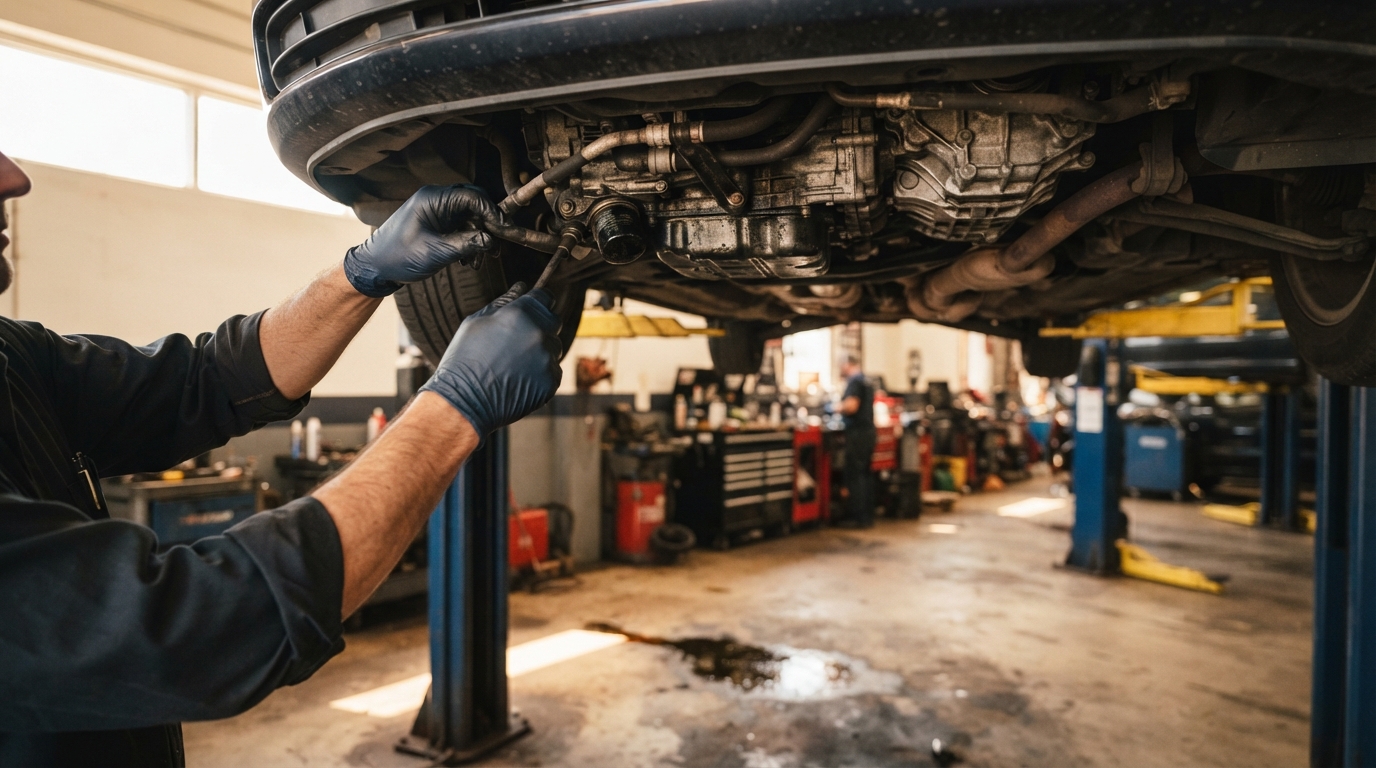
For Kennewick drivers, professional oil leak repair in Kennewick is available at a shop with the diagnostic tools and certified technicians to find the source of a leak accurately and fix it right the first time. Knowing what causes leaks, how to spot them, and what the repair process involves helps you make informed decisions before a small seep becomes a serious problem.
Why Engine Oil Leaks Happen
The most frequent cause of oil leaks is a damaged or degraded engine gasket. Gaskets are seals located between engine components, such as the cylinder head and engine block, to prevent oil from escaping. Over time, heat and wear can cause gaskets to crack or shrink, allowing oil to leak out.
Other common sources include:
-
Valve cover gaskets – prone to hardening and cracking with age and heat cycles
-
Oil pan gaskets – vulnerable to road debris impact and long-term wear
-
Front and rear main seals – typically require significant disassembly to access and replace
-
Oil filter and drain plug – loose fittings or stripped threads cause slow but steady seepage
Oil leaks can also occur when the various hoses or fittings that carry oil throughout the engine are not properly connected. Connection failures can be caused by incorrect installation, wear and tear, corrosion, or external damage.
Warning Signs You Should Not Ignore
Catching a leak early depends on recognizing the symptoms before oil levels drop to a dangerous point. According to the National Highway Traffic Safety Administration’s vehicle maintenance guidance, routine checks of fluid levels are a basic but critical part of keeping a vehicle roadworthy.
Symptoms of oil leaks can range from visible oil spots on your driveway to more subtle indicators. Common symptoms include dark spots under your vehicle, a burning smell from oil leaking onto hot engine parts, an oil warning light signaling low oil levels, and unusual engine noise such as knocking or grinding sounds without proper lubrication.
A quick visual check after parking is one of the easiest habits to build. Look for dark spots under the car after parking, check the dipstick level, or inspect around the oil filter and engine block for residue.
What happens if you keep driving? Active drips can worsen suddenly, risking low oil pressure and engine damage. Oil leaks can also reach hot exhaust parts, creating smoke and potential fire hazards.
What the Repair Process Looks Like
The repair approach depends entirely on where the leak originates. A professional inspection is the only reliable way to confirm the source.
|
Leak Source |
Typical Repair Scope |
|
Oil filter / drain plug |
Low complexity; hardware replacement |
|
Valve cover gasket |
Moderate; varies by engine layout |
|
Oil pan gasket |
Moderate to higher; may require exhaust access |
|
Front/rear main seal |
Higher; significant disassembly required |
Diagnosing the source of a leak often requires a thorough inspection by a professional mechanic. They may use specialized tools to trace the leak’s origin, ensuring targeted repairs.
Since small leaks can be tough to find, regular engine inspection and maintenance is ideal. It helps prevent surprises and stops minor oil leaks from becoming major ones. Stop-leak additives are sometimes marketed as a fix, but they are only a temporary measure and will not resolve the root cause of the problem.
Scheduling Oil Leak Repair in Kennewick
Motoring Services Auto Repair has been providing quality Kennewick auto repairs for over 35 years, and all technicians are ASE Certified. The shop services Kennewick, Richland, and Pasco, Washington, covering the full Tri-Cities area. The shop guarantees the workmanship of all jobs for 24 months or 24,000 miles.
Frequently Asked Questions
How do I know if my car has an oil leak? Look for dark puddles or stains under the vehicle after parking, a burning smell while driving, a low oil warning light, or unusual engine noise. Checking your dipstick regularly is the simplest early-detection habit.
Is it safe to drive with an oil leak? Short trips while monitoring the dipstick may be possible with a very minor seep, but active drips should be addressed immediately. Low oil pressure from a worsening leak can cause rapid and severe engine damage.
Can I use a stop-leak additive instead of getting it repaired? Additives are a short-term stopgap only. They do not fix the underlying mechanical failure, and relying on them long-term risks accelerating engine wear.
How long does oil leak repair take? Repair time varies by the leak source. Simple fixes like a drain plug or oil filter can be completed quickly, while main seal or oil pan repairs require more labor. Many repairs at local shops are completed the same day.
Ready to stop a leak before it becomes an engine replacement? Motoring Services Auto Repair is located at 8920 W Victoria Ave, Kennewick, WA 99336, and is open Monday through Friday, 8:00 a.m. to 5:30 p.m. Call (509) 374-2222 to schedule a diagnostic inspection and get your vehicle back on the road with confidence.